
A child’s oral health begins long before all their baby teeth have appeared. From the first tooth to the development of healthy brushing habits, the early years play an important role in shaping a child’s dental health. Understanding the pediatric dentistry importance can help parents make informed decisions about their child’s care and prevent small dental concerns from becoming bigger problems.
Many parents assume that baby teeth do not need much attention because they eventually fall out. However, these teeth help children chew comfortably, develop clear speech, and maintain space for permanent teeth. Early dental visits give parents an opportunity to understand their child’s changing oral health needs while helping children become comfortable with dental care.
At Kids Town Pediatric Dentistry, early dental care focuses on supporting healthy smiles while helping children and parents feel more confident about visiting the dentist.
When Should a Child Have Their First Dental Visit?
Parents should generally schedule their child’s first dental visit by their first birthday or within six months after the first tooth appears, whichever comes first. This recommendation allows a dentist to assess early tooth development and identify potential concerns before they become more difficult to manage.
A first visit is not only about checking for cavities. It also helps parents learn how to clean their child’s teeth, manage feeding habits, understand fluoride recommendations, and recognise signs that may require dental attention.
Even if your child has only one or two teeth, an early appointment can provide useful guidance. Starting dental care at this stage helps establish a routine before dental problems or anxiety about appointments develop. Parents can also learn more about first dental visits and what to expect during their child’s initial appointment.
Understanding the Importance of Pediatric Dentistry in Early Childhood
The importance of pediatric dentistry goes beyond treating cavities. Early dental care supports the development of healthy habits, helps monitor growing teeth, and gives parents reliable guidance about their child’s oral health.
1. Preventing Tooth Decay Before It Progresses
Baby teeth can develop cavities soon after they erupt. Frequent exposure to sugary drinks, sweet snacks, and prolonged contact with milk or other liquids can contribute to tooth decay, particularly when teeth are not cleaned properly.
During early dental visits, the dentist checks for signs of decay and explains how to care for newly erupted teeth. Parents can also receive guidance on brushing frequency, appropriate toothpaste use, and dietary habits that support oral health.
Identifying early signs of tooth decay can help families address concerns before they cause pain, infection, or more complex treatment needs. Learn more about childhood cavities and the steps parents can take to prevent them.
2. Supporting Healthy Tooth and Jaw Development
Children’s mouths change quickly during the early years. Their teeth emerge in stages, and their jaws continue to grow as they develop.
Regular dental examinations allow the dentist to monitor these changes and identify concerns such as unusual tooth eruption, bite problems, or spacing issues. Not every variation requires treatment, but monitoring development helps determine whether further assessment may be beneficial.
Early attention can also help parents understand what to expect as their child moves from baby teeth to permanent teeth. The guide to baby and permanent teeth explains how both sets of teeth contribute to a child’s oral development.
3. Building Healthy Oral Hygiene Habits
Young children depend on their parents or caregivers to maintain good oral hygiene. Establishing a consistent brushing routine early can make dental care a normal part of daily life rather than something introduced only when a problem occurs.
A pediatric dental visit gives parents practical advice on cleaning their child’s teeth, choosing age-appropriate oral care products, and gradually encouraging children to participate in brushing as they grow.
These habits can support healthier teeth and gums throughout childhood and beyond. Parents can also explore this children’s oral care guide for age-appropriate advice.
4. Helping Children Feel Comfortable at the Dentist
A child’s first dental experiences can influence how they feel about future appointments. Introducing dental visits when a child is young and not experiencing pain can help make the experience more familiar.
Routine visits allow children to gradually become comfortable with the dental environment, equipment, and care team. A positive, age-appropriate approach can help reduce uncertainty and build confidence over time.
This is one of the key reasons early dental visits matter: they help establish a preventive relationship with dental care instead of associating every visit with pain or urgent treatment. Parents can learn more about positive dental experiences and ways to make appointments less stressful.
What Happens During a Child’s First Dental Visit?
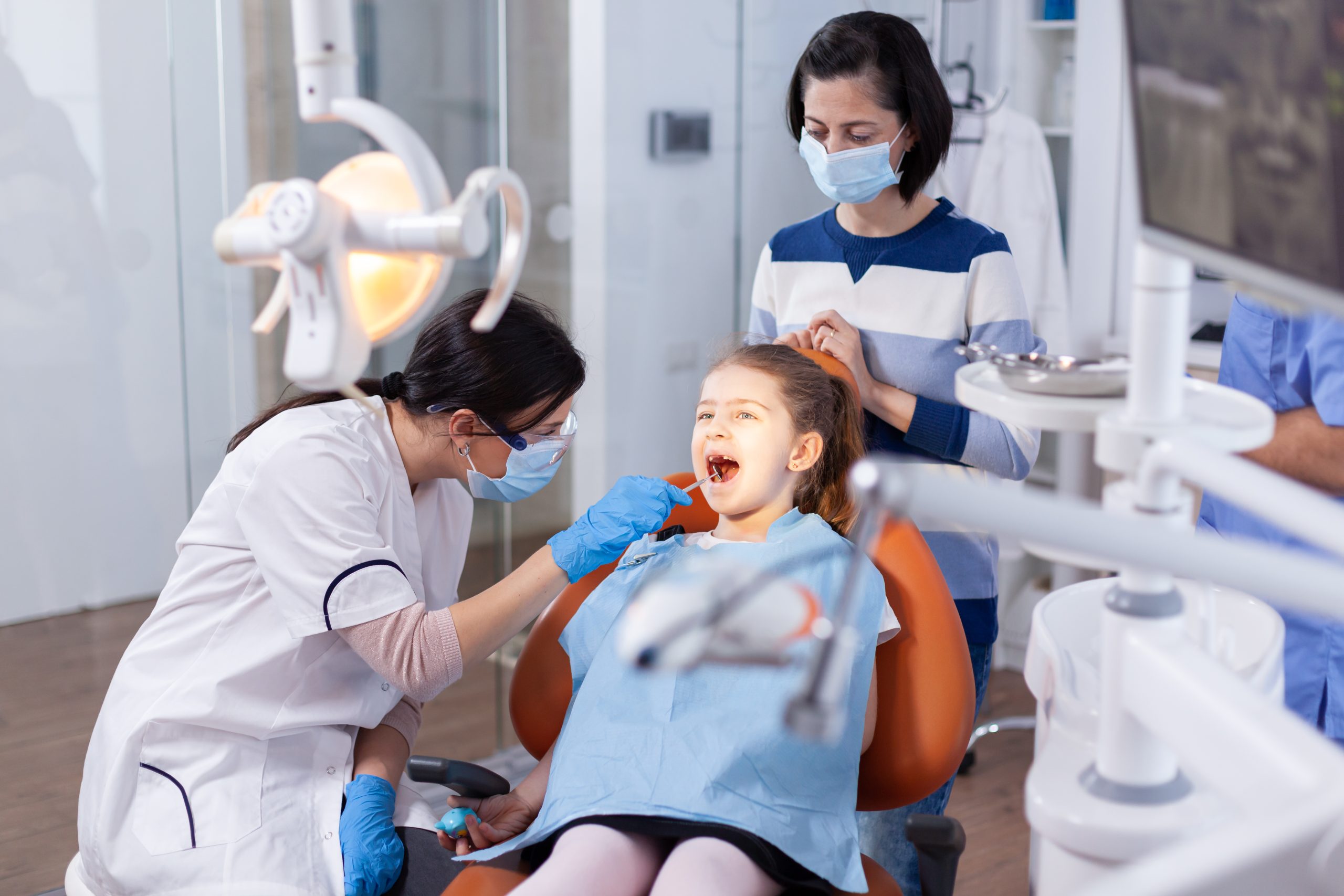
A first dental visit is usually focused on assessment, prevention, and parent education. The exact appointment depends on the child’s age, dental development, medical history, and comfort level.
The dentist may examine the teeth and gums, check how the teeth are emerging, and look for early signs of decay or other concerns. The appointment may also include a discussion about feeding practices, pacifier use, thumb-sucking, and oral hygiene routines.
Parents can use the visit to ask questions about brushing, fluoride, teething, nutrition, and what changes to expect as more teeth appear.
Some children may be ready for a more detailed examination than others. The dental team can adapt the appointment to the child’s needs and comfort, helping make the first experience as reassuring as possible. You can explore pediatric dentistry to understand the role of specialised dental care during childhood.
How Early Dental Visits Help Parents Prevent Common Problems
Parents often have questions about what is normal during early childhood and when a dental concern needs attention. Regular visits provide an opportunity to discuss these questions before they become urgent.
1. Teething and Tooth Eruption
Teething can cause temporary discomfort, gum sensitivity, and changes in a child’s behaviour. A dental professional can explain typical eruption patterns and help parents distinguish expected teething symptoms from concerns that may require evaluation.
2. Early Childhood Cavities
Cavities can develop in baby teeth and may progress if left untreated. Parents can learn how diet, brushing routines, and frequent exposure to sugary liquids affect the risk of decay.
3. Thumb-Sucking and Pacifier Use
Sucking habits are common in infants and young children. Their effects depend on factors such as frequency, duration, and the child’s stage of development. A dentist can help parents understand when these habits may begin to affect tooth position or bite development.
4. Gum Health and Mouth Care
Healthy gums are an important part of a child’s oral health. Early visits help parents learn how to clean their child’s mouth properly and recognise changes such as persistent swelling, bleeding, or unusual discomfort.
Why Baby Teeth Need Proper Care
Baby teeth serve several important functions even though they are temporary. They help children bite and chew food, support speech development, and preserve space for the permanent teeth that follow.
When a baby tooth develops significant decay or is lost earlier than expected, the child may experience discomfort or difficulties with eating. In some cases, early tooth loss can also affect the space available for permanent teeth, making follow-up care important.
Caring for baby teeth therefore supports a child’s comfort and development while helping establish good oral health habits. Parents should not wait for permanent teeth to appear before seeking dental guidance.
How Often Should Young Children Visit the Dentist?
After the first appointment, the dentist can recommend a suitable schedule based on the child’s oral health, cavity risk, and developmental needs. Many children benefit from dental checkups every six months, although some may need more frequent visits.
Regular appointments allow the dental team to monitor tooth development, review brushing and dietary habits, and identify concerns early. The recommended schedule may change as the child grows or if specific dental needs arise.
Keeping appointments consistent also helps children become familiar with routine dental care. Parents can read about dental checkups to understand why regular examinations matter. If a child experiences tooth pain, swelling, an injury, or another concerning symptom between visits, parents should contact a dental professional rather than waiting for the next scheduled checkup.
Simple Ways to Protect Your Child’s Teeth at Home
Dental visits work best when combined with consistent care at home. Parents can help protect their child’s developing smile by introducing healthy routines from the beginning.
Clean an infant’s gums gently before teeth appear, then begin brushing as soon as the first tooth erupts. Use a soft, age-appropriate toothbrush and the amount of fluoride toothpaste recommended for the child’s age by a dental professional.
Offer a balanced diet, limit frequent sugary snacks and drinks, and avoid putting a baby to bed with a bottle containing sugary liquids. Encourage water as appropriate for the child’s age and feeding needs.
Parents should also supervise brushing and assist young children until they have the coordination to clean their teeth effectively on their own. Ask the dentist for advice tailored to your child’s age, development, and cavity risk.
Choosing a Pediatric Dentist for Your Child’s Early Visits
Choosing a dentist who understands children’s developmental needs can help make early dental care more comfortable for the whole family. Parents may want to consider the practice’s experience with young children, approach to communication, preventive care services, and willingness to answer questions.
A child-friendly dental environment and a patient, age-appropriate approach can help children become familiar with appointments at their own pace. It is also helpful to choose a practice where parents feel comfortable discussing concerns about tooth development, feeding habits, brushing, and dental anxiety.
Families looking for local care can learn more about Roy pediatric dentistry and the dental services available for children. Kids Town Pediatric Dentistry helps families understand the value of preventive dental care and the steps they can take to support their children’s oral health as they grow.
Make Early Dental Care Part of Your Child’s Healthy Start
Early childhood dental visits give parents a chance to protect their child’s baby teeth, understand oral development, and establish healthy habits from the beginning. The pediatric dentistry importance lies in prevention, early guidance, and helping children develop a positive relationship with dental care.
You do not need to wait until your child has a full set of teeth or experiences discomfort to schedule an appointment. An early visit can answer important questions, identify potential concerns, and help you understand the best ways to care for your child’s growing smile.
If your child is approaching their first birthday or has recently developed their first tooth, consider arranging an early dental appointment with Kids Town Pediatric Dentistry. Contact the dental team to discuss your child’s dental care and take a proactive step toward a healthier smile.
Frequently Asked Questions
1. Why is pediatric dentistry important for young children?
Pediatric dentistry helps monitor tooth development, prevent tooth decay, establish healthy oral hygiene habits, and identify potential dental concerns early. It also gives parents guidance on caring for their child’s teeth as they grow.
2. When should I take my child to the dentist for the first time?
A child should generally visit the dentist by their first birthday or within six months after the first tooth appears, whichever comes first. Early visits allow the dentist to assess development and provide preventive care advice.
3. Are baby teeth important if they eventually fall out?
Yes. Baby teeth help children chew, support speech development, and maintain space for permanent teeth. Keeping them healthy can help prevent pain, infection, and some problems associated with premature tooth loss.
4. How often should my child have a dental checkup?
Many children have checkups about every six months, but the appropriate schedule depends on their dental health and individual risk factors. Your child’s dentist can recommend how often appointments should be scheduled.
5. How can I prepare my child for their first dental visit?
Use calm, positive language when talking about the dentist and explain that the visit helps keep their teeth healthy. Schedule the appointment when your child is likely to be rested, bring any relevant medical information, and share questions or concerns with the dental team beforehand.