
When it comes to kids dental care, children need more than just treatment when they have a toothache. Pediatric dentistry focuses on protecting children’s teeth, gums, and overall oral health from infancy through adolescence. Regular dental visits, preventive care, healthy habits, and early treatment can help children develop strong teeth and feel comfortable visiting the dentist. Learn more about pediatric dentistry and how specialized care can support your child’s growing smile.
What Is Pediatric Dentistry?
Pediatric dentistry is a specialized area of dentistry focused on the oral health needs of infants, children, and teenagers. Pediatric dentists understand how children’s mouths develop and how their dental needs change as they grow.
Children are not simply small adults. Their teeth, jaws, and oral structures are continuously developing, which means dental care needs to be adjusted according to their age and stage of development.
Pediatric dental care can include routine examinations, professional cleanings, fluoride treatments, dental sealants, cavity treatment, guidance for developing oral hygiene habits, and monitoring the growth of primary and permanent teeth.
Why Is Dental Care Important for Children?
Good oral health is an important part of a child’s overall well-being. Primary teeth help children chew food, speak clearly, and maintain appropriate space for permanent teeth.
Untreated dental problems can cause discomfort and may interfere with eating, sleeping, speaking, or daily activities. Establishing good dental habits early can also help children understand the importance of taking care of their teeth as they grow.
Regular dental care allows potential problems to be identified before they become more complicated. Parents can also learn more about common dental concerns that may affect children and ways to support better oral health at home.
When Should a Child First Visit the Dentist?
The American Academy of Pediatric Dentistry recommends that a child have their first dental visit when the first tooth appears or by their first birthday.
An early visit gives the dental team an opportunity to examine the child’s developing teeth and gums and provide parents with guidance about oral hygiene, feeding habits, fluoride, and other aspects of dental care.
The first appointment can also help children become familiar with the dental environment before they develop a significant dental problem. Parents can learn more about first dental visits and what to expect when introducing a child to regular dental care.
What Happens During a Pediatric Dental Visit?
A child’s dental appointment can vary depending on their age, dental health, and reason for the visit.
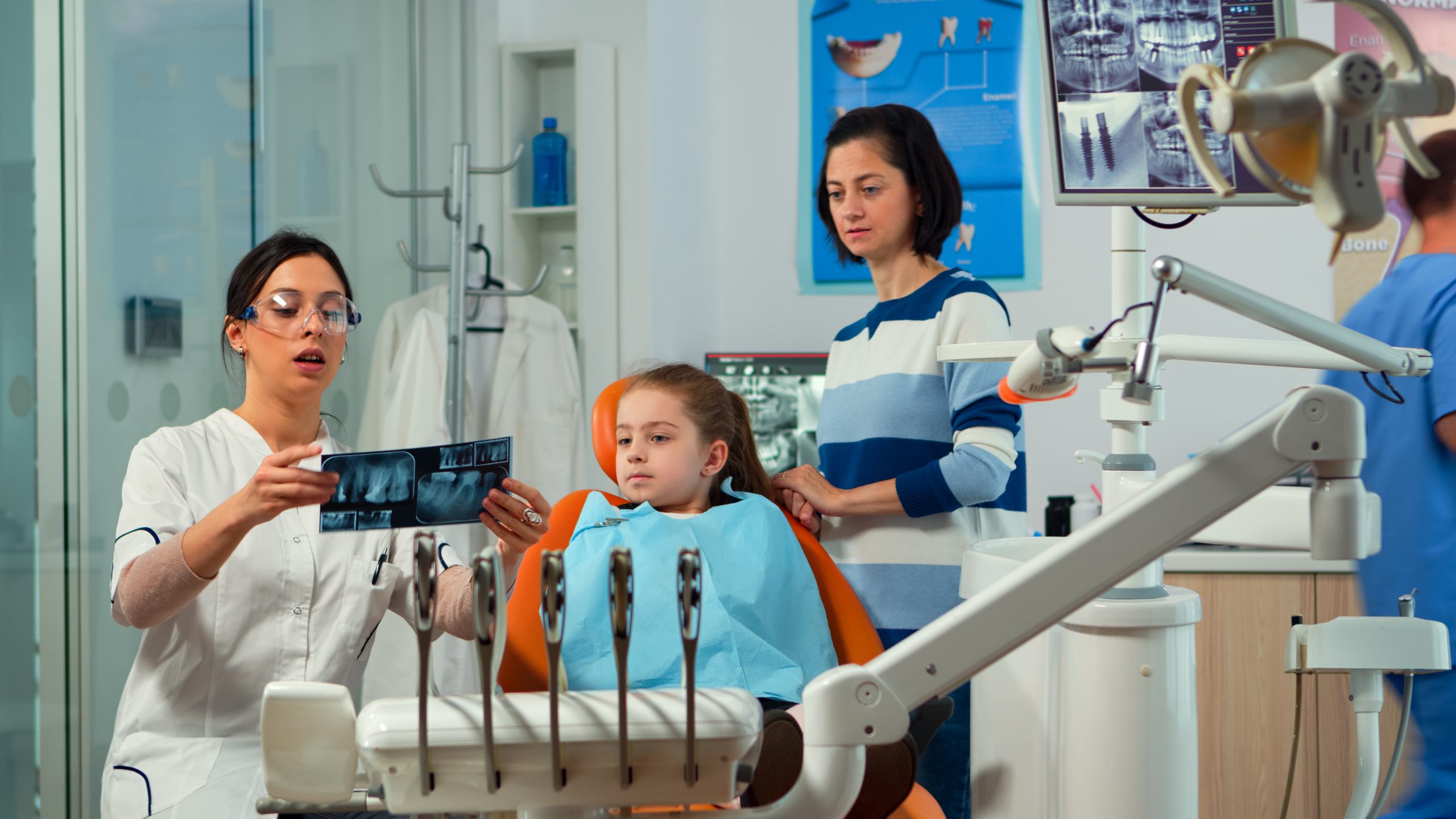
A routine appointment may include an examination of the teeth and gums, cleaning, evaluation of tooth development, and discussion of oral hygiene habits.
The dentist may also ask parents about brushing routines, diet, thumb sucking, pacifier use, or other habits that can affect oral development.
Older children may receive additional assessments as their permanent teeth begin to develop and emerge.
What Are Primary Teeth?
Primary teeth are commonly called baby teeth. Most children eventually develop 20 primary teeth.
Although these teeth are temporary, they have important functions. They help children chew, speak, and maintain space for permanent teeth developing beneath them.
Primary teeth can still develop cavities and other dental problems, so they require regular care. Losing a baby tooth too early because of decay or another problem can sometimes affect the development and positioning of permanent teeth.
Parents can also learn more about baby teeth and how they differ from permanent teeth.
How Should Parents Care for Baby Teeth?
Parents can begin caring for their child’s mouth even before the first tooth appears. Gently cleaning the baby’s gums can help establish an oral hygiene routine.
Once teeth begin to appear, parents should help children brush regularly using an age-appropriate toothbrush and fluoride toothpaste as recommended by their dental professional.
Young children often need assistance with brushing because they may not yet have the coordination needed to clean every surface effectively.
As children become more independent, parents can continue supervising brushing to make sure the routine remains thorough. Guidance on toothpaste use can also help parents understand appropriate oral care for younger children.
How Often Should Children Brush Their Teeth?
Children should generally brush their teeth twice a day with fluoride toothpaste.
Brushing in the morning and before bedtime helps remove plaque and food particles that can contribute to tooth decay.
Parents should encourage children to spend enough time brushing and to clean all accessible tooth surfaces. As children grow, teaching them proper brushing techniques can help establish habits that continue into adulthood.
For younger children, parents may need to provide hands-on assistance or supervision until they can brush effectively on their own.
Does Diet Affect Children’s Dental Health?
Yes. What children eat and drink can influence their risk of developing cavities.
Frequent exposure to sugary foods and drinks can increase the amount of acid-producing bacteria in the mouth. This can contribute to the breakdown of tooth enamel over time.
Parents can support healthy teeth by offering balanced meals and limiting frequent sugary snacks and beverages.
Water is generally a good choice between meals. Children should also follow their pediatric dentist’s recommendations based on their individual oral health needs.
What Are Dental Cavities in Children?
A dental cavity is an area of tooth decay caused by the interaction of bacteria, food sugars, and acids in the mouth.
Children can develop cavities in both primary and permanent teeth. Early cavities may not always cause noticeable symptoms, which is one reason regular dental examinations are important.
If decay progresses, a child may eventually experience tooth sensitivity, pain, difficulty chewing, or infection.
Early detection allows dental professionals to determine the appropriate treatment before the problem becomes more extensive. Parents can also explore information about kids cavities to better understand causes, signs, prevention, and treatment options.
How Can Parents Help Prevent Cavities?
Preventing cavities involves several everyday habits.
Regular brushing with fluoride toothpaste is an important part of cavity prevention. Flossing can also help clean areas between teeth where a toothbrush cannot reach effectively.
Regular dental appointments allow the dentist to monitor oral health and identify early signs of decay.
Parents can also reduce frequent sugary snacks and drinks and encourage children to drink water as part of a balanced routine.
Building consistent habits at home and maintaining regular professional dental care can help children maintain healthier teeth as they grow.
What Are Dental Sealants?
Dental sealants are thin protective coatings that can be applied to the chewing surfaces of certain teeth.
The grooves and pits on back teeth can sometimes be difficult to clean thoroughly with a toothbrush. Sealants can provide an additional layer of protection over these areas.
A pediatric dentist can evaluate whether sealants may be appropriate based on a child’s age, tooth development, and risk of tooth decay.
Parents can learn more about dental sealants and how they may be used as part of preventive pediatric dental care.
What Is Fluoride Treatment?
Fluoride is a mineral that can help strengthen tooth enamel and make teeth more resistant to decay.
Depending on a child’s dental needs and cavity risk, a pediatric dentist may recommend professional fluoride treatment during routine visits.
Fluoride recommendations can vary based on factors such as age, existing fluoride exposure, and individual oral health. Parents should follow the guidance provided by their child’s dental professional.
What If a Child Is Afraid of the Dentist?
Dental anxiety is common among children, especially if they have never visited a dentist before or have previously experienced discomfort.
Parents can help by speaking positively and calmly about dental appointments. Using simple, age-appropriate explanations can make the experience easier to understand.
Avoiding frightening descriptions or sharing personal stories about painful dental experiences may also help reduce anxiety.
Regular visits from an early age can allow children to become more familiar with the dental office, staff, and routine.
How Can Pediatric Dentists Make Visits Comfortable?
Pediatric dental offices are designed with children’s needs in mind. Dental professionals who work with children are trained to communicate in ways that are appropriate for different ages and developmental stages.
Appointments may involve simple explanations, positive reinforcement, and techniques that help children understand what is happening.
The goal is to create a comfortable environment while providing appropriate dental care.
Families in the area can also explore Layton dentistry to learn more about pediatric dental care available through Kids Town.
What Dental Problems Are Common in Children?
Children can experience several types of dental and oral health problems, including cavities, tooth sensitivity, gum inflammation, dental injuries, and problems related to tooth development.
Some children may also develop habits such as prolonged thumb sucking or pacifier use that can affect oral development when they continue beyond certain stages.
Regular dental examinations can help identify these concerns and determine whether further evaluation or treatment is needed.
What Should You Do If a Child Has a Dental Emergency?
Dental emergencies can happen during sports, play, or everyday activities.
A knocked-out tooth, broken tooth, severe toothache, facial swelling, or significant bleeding may require prompt dental attention.
Parents should contact their child’s dental office as soon as possible for guidance. In situations involving serious facial injuries, difficulty breathing, uncontrolled bleeding, or other signs of a medical emergency, immediate medical care may be necessary.
Keeping the dental office’s contact information available can make it easier to respond quickly if an unexpected problem occurs.
Why Are Regular Dental Checkups Important?
Regular dental checkups allow the dental team to monitor changes in a child’s oral health over time.
During these visits, the dentist can look for cavities, evaluate tooth development, assess gum health, and provide preventive care when appropriate.
Routine appointments also give parents an opportunity to ask questions about brushing, flossing, diet, oral habits, and other concerns.
The recommended frequency of dental visits can vary depending on a child’s individual needs and risk factors.
How Does Pediatric Dentistry Change as Children Grow?
Children’s dental needs change significantly from infancy through adolescence.
Babies need guidance about early oral hygiene and the development of primary teeth. Young children require support with brushing and healthy eating habits. As permanent teeth begin to emerge, dentists monitor their development and identify potential concerns.
Teenagers may need additional guidance about oral hygiene, diet, sports-related dental protection, and other age-specific concerns.
Pediatric dental care therefore involves ongoing monitoring rather than focusing on a single stage of childhood.
How Can Parents Build Good Dental Habits at Home?
Parents play an important role in helping children develop healthy oral hygiene habits.
Creating a consistent brushing routine can make dental care feel like a normal part of the day. Parents can also encourage children to brush properly, supervise younger children, and make regular dental appointments.
Making brushing engaging and allowing children to choose an age-appropriate toothbrush can sometimes make the routine more enjoyable.
The most important goal is consistency. Small daily habits can contribute to healthier teeth over time. Parents can also use an age-by-age guide for practical dental care considerations as their child grows.
What Should Parents Look for in a Pediatric Dentist?
When choosing a pediatric dentist, parents may consider factors such as the dentist’s experience with children, the services offered, office environment, communication style, and approach to preventive care.
It can also be helpful to choose a dental practice where children feel comfortable asking questions and parents feel comfortable discussing concerns.
A positive dental experience during childhood can help children develop a healthier attitude toward oral care.
Kids Town Pediatric Dentistry and Children’s Oral Health
Pediatric dentistry is about more than treating cavities. It involves helping children develop healthy teeth and gums while supporting good oral hygiene habits as they grow.
At Kids Town Pediatric Dentistry, children can receive age-appropriate dental care designed around their developing oral health needs. Preventive visits, professional guidance, and early identification of dental concerns can all play a role in maintaining a child’s smile.
Parents who have questions about their child’s teeth, brushing routine, dental development, or upcoming dental visit can discuss their concerns with a pediatric dental professional.
Conclusion
Pediatric dentistry provides children with specialized dental care throughout the different stages of growth. From the first baby tooth to the development of permanent teeth, regular dental visits can help monitor oral health, prevent common problems, and address concerns early.
Parents can support their child’s dental health by encouraging regular brushing, maintaining a balanced diet, limiting frequent sugary foods and drinks, and scheduling routine dental appointments.
Starting dental care early can also help children become comfortable with dental visits and develop habits that support their oral health for years to come. If you have concerns about your child’s teeth or are preparing for their first dental appointment, a pediatric dentist can provide guidance based on your child’s individual needs.
For questions about pediatric dental care or to schedule a visit, contact our office.
Frequently Asked Questions
1. What is pediatric dentistry?
Pediatric dentistry is a specialized area of dentistry focused on the oral health of infants, children, and teenagers. It includes preventive care, dental examinations, treatment, and guidance based on a child’s developing dental needs.
2. When should a child first see a dentist?
The American Academy of Pediatric Dentistry recommends that children visit a dentist when their first tooth appears or by their first birthday.
3. How often should children visit the dentist?
The appropriate frequency depends on the child’s oral health and individual needs. Many children have routine dental visits every six months, but a pediatric dentist may recommend a different schedule when necessary.
4. Are baby teeth important?
Yes. Baby teeth help children chew and speak and maintain space for permanent teeth. Keeping primary teeth healthy can support normal oral development.
5. How can parents prevent cavities in children?
Parents can help prevent cavities by encouraging twice-daily brushing with fluoride toothpaste, cleaning between teeth when appropriate, limiting frequent sugary foods and drinks, and maintaining regular dental visits.