
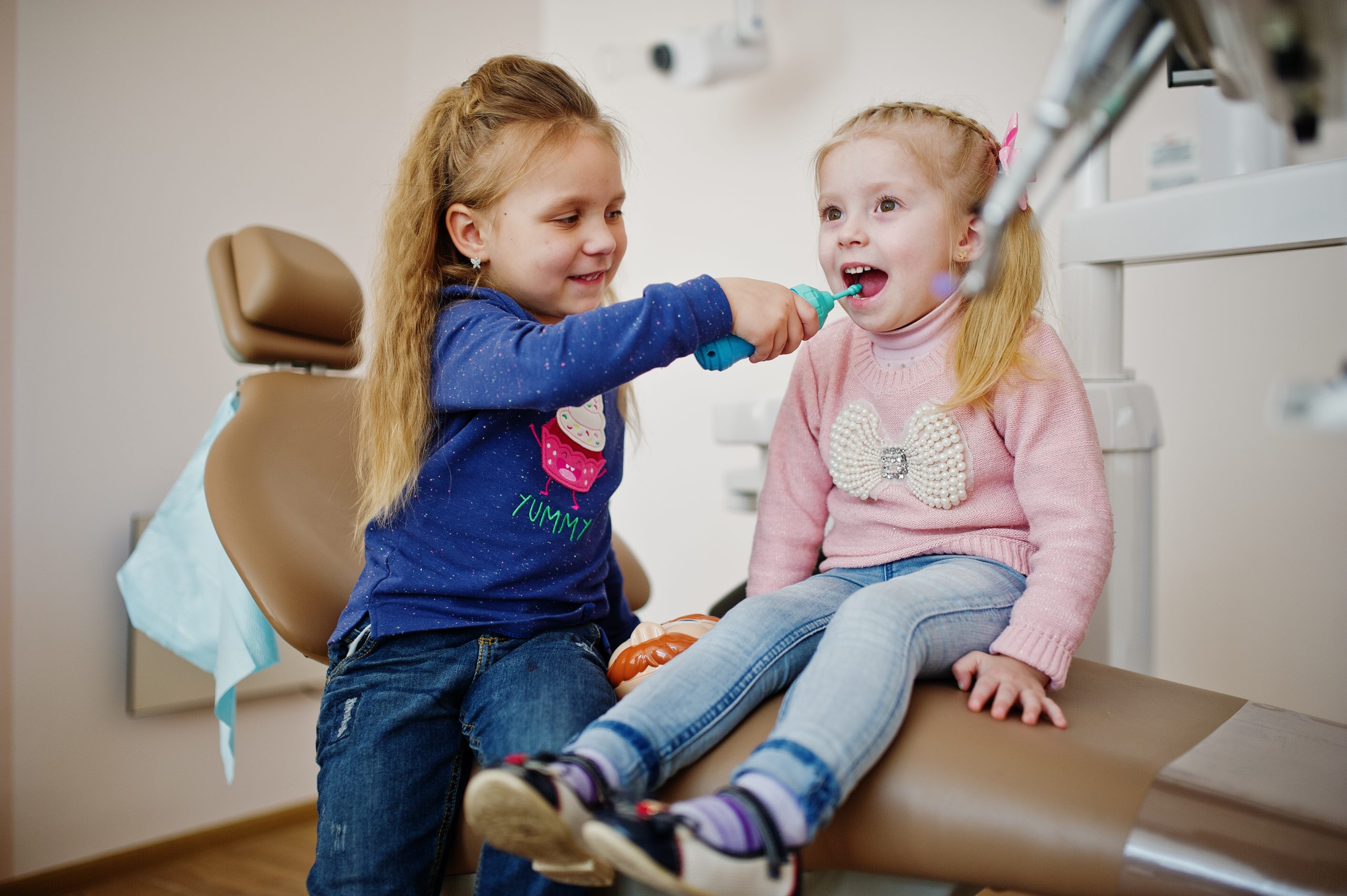
Children’s oral health plays an important role in their everyday comfort, development, and overall well-being. From learning to brush properly to developing healthy eating habits, the routines children establish early can influence their dental health for years to come.
Understanding common childrens dental problems can help parents recognise potential concerns early and take steps to prevent them. Regular checkups, proper brushing and flossing, a balanced diet, and professional care can all help protect developing teeth. At Kids Town Pediatric Dentistry, children can receive age-appropriate dental care designed around their individual needs.
Why Children’s Dental Health Matters
Healthy teeth are important for more than just a child’s smile. Primary teeth help children chew food, speak clearly, and maintain appropriate space for permanent teeth as they develop.
Poor oral hygiene can allow plaque and bacteria to build up around the teeth and gums, increasing the risk of dental problems. Some issues may cause pain or discomfort and can interfere with eating, sleeping, or daily activities.
Establishing good oral hygiene habits early can help children understand the importance of caring for their teeth and make dental care a normal part of their routine.
Common Children’s Dental Health Issues
Children can experience several different dental problems as their teeth and jaws develop. Recognising the signs can help parents know when professional dental advice may be needed.
1. Tooth Decay and Cavities
Tooth decay is one of the most common dental concerns among children. Cavities in children develop when bacteria in the mouth interact with sugars and produce acids that gradually weaken tooth enamel.
Frequent consumption of sugary snacks, sweets, soft drinks, and other sweetened beverages can increase the risk of decay. Inadequate brushing can also allow plaque to remain on the teeth for longer periods.
Parents can help reduce the risk by encouraging children to brush twice a day with fluoride toothpaste, clean between teeth when appropriate, limit frequent sugary snacks and drinks, and attend regular dental checkups.
2. Gum Disease and Gingivitis
Children can develop gum inflammation when plaque builds up around the gumline. Early gum disease, known as gingivitis, may cause redness, swelling, tenderness, or bleeding during brushing.
Helping children brush carefully along the gumline and clean between their teeth can reduce plaque accumulation. Regular dental visits can also help identify gum problems before they become more serious.
If your child’s gums regularly bleed, appear swollen, or remain irritated, it is worth discussing these symptoms with a dental professional.
3. Tooth Sensitivity
Some children may complain that their teeth hurt when they eat or drink something hot, cold, sweet, or acidic. Sensitivity can have several possible causes, including enamel wear, tooth decay, or other dental concerns.
Occasional sensitivity may not indicate a serious problem, but persistent or unexplained discomfort should not be ignored. A dentist can examine the affected teeth and determine whether further treatment is necessary.
4. Dental Emergencies and Tooth Injuries
Falls, sports activities, playground accidents, and other incidents can cause injuries to children’s teeth. A tooth may become chipped, cracked, displaced, or knocked out following an accident.
Parents should seek professional dental advice after a significant dental injury, even if the child initially seems comfortable. Prompt evaluation can help determine whether the tooth, surrounding tissues, or developing permanent teeth have been affected. Learning how to prepare your child for a dental appointment in advance can also make emergency visits less stressful.
Children who participate in contact sports can also benefit from wearing a properly fitted mouthguard to help protect their teeth.
5. Thumb Sucking and Pacifier Habits
Thumb sucking and pacifier use can be normal behaviours during infancy and early childhood. However, prolonged habits may affect the development and positioning of the teeth and jaws.
The potential effects depend on factors such as the duration and frequency of the habit. Parents who are concerned about persistent thumb sucking or pacifier use can discuss the habit with a pediatric dentist.
Professional guidance can help parents understand when intervention may be appropriate and how to encourage children to stop the habit in a supportive way.
5. Dental Erosion
Dental erosion occurs when acids gradually wear away tooth enamel. Frequent exposure to acidic drinks and foods can contribute to enamel erosion.
Children who regularly consume acidic beverages may have a greater risk of enamel wear. Encouraging water as a primary drink and limiting frequent exposure to acidic foods and drinks can support healthier teeth.
Good oral hygiene and regular dental examinations can also help identify signs of enamel changes. Dental sealants can also offer an added layer of protection against decay on vulnerable tooth surfaces.
How to Prevent Common Dental Problems in Children
Many childhood dental problems can be reduced through consistent daily habits and professional preventive care.
1. Encourage Proper Brushing
Children should brush their teeth regularly using an age-appropriate toothbrush and fluoride toothpaste. Younger children often need help or supervision because they may not yet have the coordination needed to clean every surface effectively.
Encourage children to brush carefully around the front, back, and chewing surfaces of their teeth. Making brushing part of the morning and bedtime routine can help establish consistency.
2. Make Flossing Part of the Routine
Brushing does not effectively clean every area between teeth. Once a child’s teeth begin touching each other, cleaning between them becomes an important part of their oral hygiene routine.
Parents may need to floss for younger children or supervise older children until they can perform the technique effectively themselves.
3. Limit Sugary Foods and Drinks
Sugar does not have to be completely eliminated from a child’s diet, but frequent exposure can increase the risk of tooth decay.
Parents can encourage healthier eating habits by limiting sugary snacks and beverages between meals and offering nutritious alternatives. Water is also a good everyday beverage choice for keeping children hydrated without adding sugar.
4. Schedule Regular Dental Checkups
Routine dental examinations allow a dental professional to monitor a child’s teeth and identify potential concerns early.
Regular visits may include an examination, professional cleaning when appropriate, preventive guidance, and discussions about brushing, flossing, diet, and developing teeth. If you’re unsure of what happens during a pediatric dental cleaning, understanding the process in advance can help ease any first-visit nerves.
These visits also give parents an opportunity to ask questions about their child’s changing oral health.
5. Protect Teeth During Sports
Children involved in sports should use appropriate protective equipment when recommended. A properly fitted mouthguard can help reduce the risk of dental injuries during activities where falls, collisions, or impacts are possible.
Parents should also know what to do if a dental injury occurs and seek professional advice when necessary.
When Should Your Child Visit the Dentist?
Children benefit from dental care even when they do not have obvious dental problems. Early visits allow dental professionals to monitor developing teeth, provide preventive guidance, and help children become comfortable with the dental environment. To learn more about when your child should start visiting the dentist, it’s best to begin early rather than wait for a problem to appear.
Parents should also arrange an appointment if they notice symptoms such as tooth pain, swelling, bleeding gums, sensitivity, visible tooth damage, or changes in the appearance of the teeth.
A child who has difficulty chewing or eating because of dental discomfort should also be evaluated by a dental professional.
What Happens During Children’s Dentistry Visits?
A children’s dental visit is generally designed to be age-appropriate and comfortable for the child. Depending on the child’s age and individual needs, a visit may involve examining the teeth and gums, checking dental development, cleaning the teeth, and discussing preventive care.
The dental team may also provide guidance to parents about brushing techniques, flossing, diet, fluoride, and other aspects of oral hygiene. Many children feel more at ease once parents help them overcome fear of the dentist before their first few appointments.
Regular visits can help children become familiar with dental care while allowing potential concerns to be identified earlier.
When Should Parents Contact a Children’s Dentist?
Parents should consider contacting a dental professional if their child experiences persistent or unusual oral health symptoms.
These may include:
- Persistent toothache
- Swollen or bleeding gums
- Ongoing tooth sensitivity
- Visible cavities or unusual tooth discolouration
- A loose, cracked, chipped, or damaged tooth following an injury
- Swelling around the mouth or face
- Difficulty eating or chewing
- Persistent bad breath despite regular oral hygiene
Not every symptom indicates a serious problem, but reviewing these signs it’s time to take your child to a pediatric dentist can help you decide when professional evaluation is needed.
Building Healthy Dental Habits at Home
Parents play an important role in helping children develop healthy oral hygiene habits. Young children often need reminders, supervision, or direct assistance with brushing and flossing.
Try to make dental care a predictable part of the daily routine rather than something that only happens when there is a problem. Positive encouragement can help children view brushing and dental visits as normal parts of taking care of themselves. Our guide on caring for your child’s teeth at every age (0–12 years) breaks this down stage by stage.
Parents can also teach children why brushing, flossing, and healthy food choices matter. Understanding the purpose behind these habits can make children more likely to continue them as they become more independent.
How Pediatric Dentistry Supports Your Child’s Oral Health
Professional pediatric dental care focuses on the unique needs of children’s developing teeth, gums, and jaws. Preventive appointments can help monitor oral development, identify concerns early, and provide parents with practical guidance.
Children may require different approaches to dental care depending on their age, oral health, development, and individual circumstances. A pediatric dental team can help parents understand these needs and establish an appropriate care routine.
If you are looking for professional Layton pediatric dentistry for your child, Kids Town Pediatric Dentistry can provide guidance and care focused on maintaining healthy developing smiles.
Conclusion
Taking care of a child’s teeth begins with simple habits that can be practised every day. Regular brushing and flossing, healthy food choices, protection during sports, and routine dental visits can all help reduce the risk of common children’s dental health problems.
Parents should also pay attention to signs such as tooth pain, swollen gums, sensitivity, tooth damage, or changes in their child’s oral health. Early professional attention can help identify problems and determine the appropriate course of care.
By making oral hygiene part of your child’s daily routine and maintaining regular dental appointments, you can help support healthy teeth and gums throughout childhood. Kids Town Pediatric Dentistry can help families understand their child’s dental needs and build positive dental experiences that support long-term oral health.
FAQs
1. What are the most common dental problems in children?
Common childhood dental problems include cavities, gum inflammation, tooth sensitivity, dental injuries, enamel erosion, and concerns related to prolonged thumb sucking or pacifier use.
2. How can I prevent cavities in my child?
Encourage your child to brush twice daily with fluoride toothpaste, clean between their teeth when appropriate, limit frequent sugary foods and drinks, and maintain regular dental checkups.
3. When should my child start visiting the dentist?
Children should begin receiving dental care early so their oral development can be monitored and parents can receive preventive guidance. Your dental professional can recommend an appropriate schedule based on your child’s needs.
4. How often should children visit the dentist?
Regular dental visits are important for monitoring oral health and development. The recommended frequency can vary depending on the child’s individual dental needs and the advice of their dental professional.
5. Is thumb sucking harmful to children’s teeth?
Thumb sucking can be a normal childhood habit, but prolonged or frequent thumb sucking may affect developing teeth and jaw alignment. Parents who are concerned about a persistent habit should discuss it with a pediatric dentist.