
The importance of baby teeth is easy to underestimate, especially because these teeth eventually fall out. However, baby teeth (primary teeth) help your child eat, speak, and grow properly. They also protect long-term oral health by guiding permanent teeth into the right position.
As your child grows, their mouth goes through predictable changes. Knowing what to expect helps you stay calm and proactive. At Kids Town Pediatric Dentistry, we focus on educating families so children can build healthy habits early.
Why baby teeth importance matters for lifelong oral health
Baby teeth may be temporary, but their role is not. Understanding the importance of baby teeth starts with how these teeth support daily life and healthy development. When baby teeth are healthy, kids are more comfortable, confident, and more likely to maintain good routines.
1. How baby teeth support eating and nutrition
Baby teeth help children chew properly, which supports a balanced diet. Good chewing makes it easier to enjoy fruits, vegetables, and proteins. Therefore, strong baby teeth can support healthier growth.
2. How baby teeth help speech and confidence
Primary teeth help children form sounds and pronounce words clearly. Missing or painful teeth can affect speech patterns. Additionally, a healthy smile can improve confidence at school and in social settings.
3. How baby teeth guide permanent teeth into place
One of the biggest reasons for the importance of baby teeth is space management. Each baby tooth holds space for the adult tooth underneath. If a baby tooth is lost early due to decay or injury, nearby teeth may drift, which can lead to crowding and alignment problems later.
- Baby teeth act as natural “space maintainers.”
- Early loss may increase the need for orthodontic treatment.
- Healthy baby teeth support proper jaw development and bite.
Kids dental development stages parents should know
Dental growth happens in stages, and each stage matters. Understanding these kids dental development stages helps you know what is normal and when to call a pediatric dentist.
To better understand each stage of your child’s oral growth, read our guide on pediatric dentistry and your child’s oral health.
1. Teething (around 6 months, varies by child)
Many babies begin teething around six months, although timing differs. Lower front teeth often come in first, followed by upper front teeth. During teething, drooling and chewing are common, so safe teething toys can help.
2. Full set of baby teeth (around age 3)
By about three years old, most children have 20 baby teeth. Brush twice daily with an age-appropriate fluoride toothpaste. Keep routines simple and consistent, because habits formed now often last.
3. Mixed dentition (around ages 6–12)
Around age six, children enter the mixed dentition stage. This means baby teeth and adult teeth are both present. Regular dental visits during this time help catch issues early.
When do kids lose baby teeth?
Many parents wonder, ” When do kids lose baby teeth? Most children lose their first tooth around age six. However, the timing can be earlier or later and still be normal.
Front lower teeth usually loosen first, followed by the upper front teeth. Teeth often fall out in the same order they came in. Molars and canines are commonly the last to go, typically between ages ten and twelve.
Avoid pulling a loose tooth before it is ready. Letting it fall out naturally helps protect the adult tooth developing underneath and reduces discomfort. If timing seems significantly delayed, a pediatric dentist can evaluate growth and eruption patterns.
Understanding the permanent teeth timeline
The permanent teeth timeline is fairly predictable, but every child develops at their own pace. Monitoring changes with routine checkups helps confirm everything is on track.
1. First permanent molars (around age 6)
The first permanent molars often erupt around age six. They come in behind baby molars and do not replace a baby tooth. These “six-year molars” are essential for building a stable bite.
2. Front teeth, canines, and premolars (ages 6–12)
Next, permanent incisors replace the baby front teeth. Canines and premolars usually erupt between the ages of nine and twelve. Second molars often appear around age twelve, while wisdom teeth develop much later.
Because permanent teeth must last a lifetime, protecting primary teeth early supports healthier adult teeth later. This is another key part of the importance of baby teeth.
Baby teeth vs permanent teeth: key differences
Baby teeth and permanent teeth do similar jobs, but they are not the same. Knowing these differences can help parents take cavities and symptoms more seriously.
- Size and color: Baby teeth are smaller and often look whiter.
- Enamel thickness: Baby teeth have thinner enamel, so cavities can spread faster.
- Number of teeth: Children have 20 baby teeth; most adults have 32 permanent teeth (including wisdom teeth).
- Longevity: Permanent teeth are designed to last decades with good care.
Even though baby teeth are temporary, problems like tooth decay can still affect comfort, nutrition, and spacing. That is why the importance of baby teeth should never be ignored.
Common dental concerns during tooth transition
Tooth transitions are usually smooth. Still, some issues are common and worth watching. Early attention can prevent bigger problems later.
1. Loose teeth and “double row” teeth
Some children have loose teeth for weeks before they fall out. Sometimes a permanent tooth erupts before the baby tooth is gone, creating a “double row.” In many cases, the baby tooth loosens and falls out on its own, but a dentist should monitor persistent cases.
2. Spacing, crowding, and bite changes
Permanent teeth are larger than baby teeth, so spacing and crowding can appear during this stage. Many changes are temporary as the jaw grows. However, ongoing crowding or bite issues may require an orthodontic evaluation.
3. Cavities in baby teeth
Cavities are one of the most common childhood dental concerns. Because baby teeth have thinner enamel, decay can progress quickly. Learning more about cavities in kids can help parents recognize warning signs early and seek treatment before problems become more serious.
How parents can protect baby teeth and support healthy growth
Parents have the biggest influence on daily dental habits. A consistent routine lowers the risk of cavities and supports healthier permanent teeth. In other words, your daily steps reinforce baby teeth importance in real life.
1. Build a simple daily routine
- Brush twice a day with fluoride toothpaste.
- Floss daily once teeth touch.
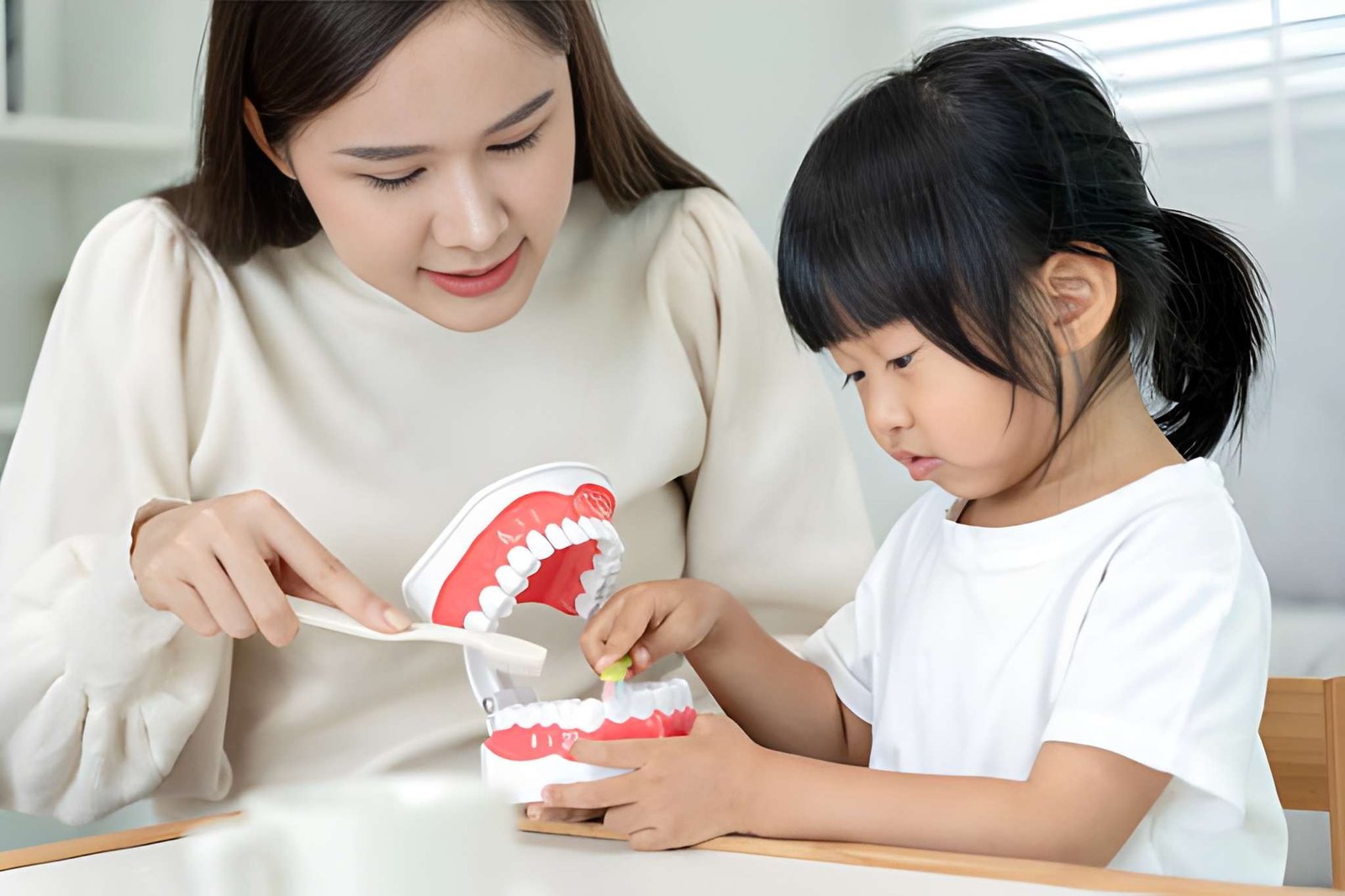
- Supervise brushing until your child can clean thoroughly on their own.
2. Support strong teeth with smart nutrition
Limit sugary snacks and drinks, especially sticky sweets and frequent juice. Offer water, dairy products, fruits, and vegetables more often. Additionally, healthier snacks reduce cavity risk between meals.
3. Schedule routine dental visits
Regular checkups allow your pediatric dentist to monitor eruption patterns, provide preventive care, and answer questions. Professional children’s dental care also helps detect dental concerns early and supports healthy oral development throughout childhood.
When should parents be concerned?
Small differences in timing are normal, but some situations need professional attention. Schedule a dental evaluation if:
- A baby tooth is lost early due to injury or severe decay
- Permanent teeth seem significantly delayed
- Your child has swelling, pain, or signs of infection
- Crowding, bite issues, or prolonged thumb sucking persist
Early evaluation often means simpler treatment and better long-term outcomes.
Conclusion: baby teeth importance and what to do next
Baby teeth’s importance comes down to protection, development, and healthy habits. Baby teeth help children chew, speak clearly, and guide permanent teeth into the right place. With good brushing, smart eating, and consistent dental visits, you can support a healthy smile for life.
Schedule an appointment with Kids Town Pediatric Dentistry today to monitor your child’s dental development, prevent future concerns, and keep their smile healthy and confident.
FAQs
1. Why is the importance of baby teeth essential for children?
Baby teeth help children chew, speak clearly, and hold space for permanent teeth. They also support jaw growth and healthy development.
2. When do kids lose baby teeth?
Most children lose their first baby tooth around age six. The process usually continues until about age twelve.
3. What happens if a baby tooth falls out too early?
Nearby teeth can shift into the open space. This may affect alignment and increase the risk of crowding or orthodontic needs.
4. How many baby teeth and permanent teeth do children have?
Children typically have 20 baby teeth. Most adults develop 32 permanent teeth, including wisdom teeth.
5. How can parents protect their child’s baby teeth?
Brush twice daily with fluoride toothpaste, floss once teeth touch, limit sugary foods and drinks, and keep regular dental checkups.